Lead generation is the process of attracting and converting strangers and prospects into individuals who express interest in your company’s products or services. A lead is someone who has shown interest by taking specific actions, such as filling out a form, sign up in your website, downloading an eBook, or subscribing to a newsletter. Lead generation fill the gap between marketing and sales, making it an essential strategy for any business aiming to grow sustainably.
What is Lead Generation in Sales?
In sales, lead generation refers to identifying potential buyers who may benefit from your product or service. These potential buyers, known as leads, are often categorized into different stages of the sales funnel.
Sales lead generation process:
- Identifying prospects: Using demographic, geographic, and psychographic data to pinpoint potential customers.
- Outreach: Employing methods such as cold calling, email outreach, or social selling to establish initial contact.
- Qualification: Determining if the lead fits the criteria of a potential buyer through methods like BANT (Budget, Authority, Need, Timing).
- Nurturing: Building relationships with leads to guide them through the sales funnel while addressing their pain points and needs.
The ultimate goal is to turn these leads into paying customers while building long-term relationships that foster customer loyalty and repeat business.
What is Lead Generation in Digital Marketing?
In digital marketing, lead generation focuses on utilizing online channels to capture interest and convert it into actionable opportunities. Popular channels include social media, search engines, and email marketing. By using digital tools and techniques, marketers can accurately target audiences, track their engagement, and measure campaign effectiveness.
Key elements of digital lead generation include:
- Content Marketing: Blogs, videos, infographics, and other content that provide value and attract attention while addressing customer pain points.
- Landing Pages: Dedicated pages optimized for conversions, featuring strong headlines, engaging visuals, and compelling CTAs.
- Call to Actions (CTAs): Buttons or links encouraging visitors to take specific actions, such as signing up or downloading a resource.
- Forms: Capturing visitor information, such as names, email addresses, and preferences, to initiate further communication.
The Lead Generation Process
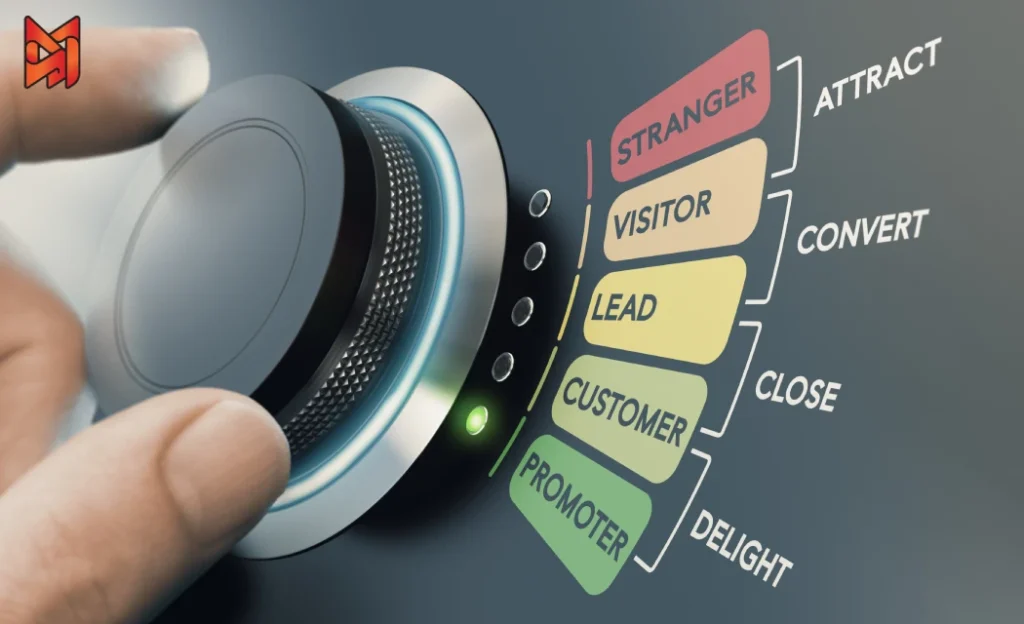
The lead generation process can be broken down into some main stages:
- Attract: Use strategies like SEO, paid advertising, and content marketing to draw visitors to your website or landing page. In this phase, it is important to create content customized to the audience’s interests.
- Convert: Encouraging visitors to provide their information through compelling CTAs, forms, or gated content. The use of lead magnets, such as free guides or discounts, can enhance conversions significantly.
- Qualify: Sort and prioritize leads based on their likelihood of converting into customers. Depending on their readiness to make a purchase, this may involve assigning leads to the marketing or sales team.
- Close: After qualification, the sales team finalizes the transaction and turns the lead into a customer.
Benefits of Lead Generation
Effective lead generation offers numerous benefits:
- Increased Sales: More qualified leads often result in higher conversion rates and more sales opportunities.
- Cost-Effective Growth: Businesses can reduce wasted resources and improve ROI by targeting interested prospects.
- Data Collection: Use lead capture forms and engagement tracking to gain insights into customer behavior, preferences, and needs.
- Brand Awareness: Effective campaigns often increase brand visibility and establish authority in the market.
- Improved Customer Relationships: Building connections with leads creates trust and lasting relationships.
Techniques for Lead Generation
There are various techniques for generating leads, including:
- Search Engine Optimization (SEO):
- Optimizing your website to rank higher in search results for relevant keywords.
- Creating high-quality, valuable content that answers user queries and attracts organic traffic.
- Building backlinks and ensuring a fast, mobile-friendly website.
- Pay-Per-Click (PPC) Advertising:
- Using platforms like Google Ads services or social media ads to drive targeted traffic.
- Executing retargeting ads to re-engage users who have previously visited your site.
- Content Marketing:
- Develop engaging and informative content, such as eBooks, infographics, and blog posts, that resonates with your audience.
- Gating premium content behind forms to capture leads and encourage deeper engagement. If you need a content creation agency in Dubai, feel free to contact us.
- Social Media Marketing:
- Engaging users on platforms like LinkedIn, Facebook, or Instagram to build brand awareness and capture interest.
- Running targeted ad campaigns that drive traffic to optimized landing pages.
- Email Marketing:
- Developing leads with personalized email sequences that offer value, solutions, and exclusive offers.
- Segmenting email lists based on user behavior to deliver messages.
- Webinars and Events:
- Organizing live or online events to connect with potential customers, share knowledge, and collect their details during sign-up.
- Referral Programs:
- Encouraging satisfied customers to refer others by offering rewards or discounts.
B2B vs. B2C Lead Generation
The approach to lead generation varies significantly between B2B (business-to-business) and B2C (business-to-consumer) scenarios.
B2B Lead Generation:
- Focuses on targeting decision-makers and stakeholders within organizations.
- Often involves longer sales cycles with multiple touchpoints.
- Relies heavily on tools like LinkedIn, email outreach, and account-based marketing.
- Utilizes content such as whitepapers, case studies, and webinars to build trust and establish authority.
B2C Lead Generation:
- Targets individual consumers with a focus on emotional triggers and personal benefits.
- Shorter sales cycles with a strong emphasis on creating urgency through promotions or limited-time offers.
- Use platforms like Facebook, Instagram, and YouTube to reach broader audiences.
- Highlights user-friendly experiences, discounts, and testimonials to encourage conversions.
Best Practices for Lead Generation
- Know Your Audience: Create detailed buyer personas to understand your audience’s pain points, preferences, and behavior.
- Offer Value: Ensure your content, products, or services provide clear benefits that solve problems or meet needs.
- Use Multi-Channel Strategies: Combine SEO, social media, email marketing, and paid ads to maximize reach.
- Optimize for Mobile: Ensure all landing pages, forms, and websites are mobile-friendly for users on the go.
- Test and Improve: Regularly analyze metrics and perform A/B testing to optimize campaigns for better performance.
- Focus on User Experience (UX): Simplify forms, improve website navigation, and ensure fast load times.
Lead Nurturing Strategies
Lead nurturing involves building relationships with potential customers to guide them through the buyer’s journey. Strategies include:
- Personalized Content: Delivering relevant content based on the lead’s stage in the funnel, such as case studies for those in the decision-making phase.
- Drip Email Campaigns: Sending a series of automated emails designed to educate and guide leads over time.
- Follow-Ups: Consistently engaging with leads through calls or messages to maintain interest.
- Social Proof: Sharing testimonials, reviews, or case studies to build trust and credibility.
- Behavioral Triggers: Using marketing automation tools to respond to specific actions, like visiting a pricing page with specific messages.
Examples of Successful Lead Generation
- LinkedIn Ads: Many B2B companies effectively use LinkedIn to target decision-makers in specific industries.
- Dropbox: Cover a referral program to grow its user base significantly by rewarding users for inviting friends.
- Evernote: Offered a freemium model, encouraging users to upgrade to premium features once they experienced the product’s value.
- Slack: Grew through word-of-mouth marketing and offering a free version for teams to collaborate.
DiMarketo: Your Partner in Lead Generation Success
At DiMarketo, we specialize in helping businesses achieve their lead generation goals with a complete package of services:
- Content Creation: Creating engaging blog posts, social media content, and whitepapers that attract and engage your target audience.
- Google Ads Services: Driving targeted traffic through optimized PPC campaigns based on your business needs.
- Performance Marketing: Ensuring your marketing spend delivers measurable ROI through data-driven strategies.
- Conversion Rate Optimization (CRO): With DiMarketo CRO services in Dubai, enhance your website and landing pages to maximize conversions and capture more leads.
- Social Media Management: To reach potential leads, build your brand’s presence on platforms like LinkedIn, Instagram, and Facebook.
- Email Marketing Campaigns: Designing and executing personalized email campaigns that nurture and convert leads effectively.
- Marketing Automation: Using tools to increase your lead generation and nurturing processes for efficiency and scalability.
With our digital marketing services, transform your lead generation efforts into sustained business growth.
Final thoughts
Lead generation is the cornerstone of successful marketing and sales strategies. Businesses can attract, convert, and nurture leads effectively by understanding the processes, techniques, and tools available. Whether you’re a B2B enterprise or a B2C brand, your approach and investing in the right tools and strategies will ensure your efforts yield measurable results. You can stay ahead in an increasingly competitive landscape by prioritizing the customer journey. Lead generation is not just about numbers—it’s about building meaningful connections that drive growth and success over the long term.